




All Events
- Highlighted Programmes
- All Events
- Hong Kong Reading Week
- Events at Hong Kong Central Library
- Summer Library Festival
- Reading Activities
- Literary Activities
- Awards / Competitions
- Talks / Workshops
- IT Activities
- Storytelling for Children
- Exhibitions
-
Hot Topics
- Storytelling for Children (Cantonese)
- Storytelling for Children
- Activities in the Chinese Culture Promotion Series
- Storytelling for Children (Cantonese)
- Talk on Chinese Classics
- Other Exhibitions
- Storytelling for Children (English)
- 4.23 World Book Day
- Other Literary Activities
- Chinese Poetry Writing Competition Exhibition
Key words Search–Talk on Chinese Classics: Appreciation and Emulation of Chinese Calligraphy
Resilience of the Soul: Chinese Culture and Life Values
Hok Hoi Lectures on Chinese Wisdom and Life Pursuits /Activities in the Chinese Culture Promotion Series
| Date & Time: | 2026/11/07 (Saturday) 02:30 p.m. – 04:00 p.m. |
| Venue: | Hong Kong Central Library (Lecture Theatre, G/F) |
What is in a Name: Chinese Culture Through the Lens of Names
Hok Hoi Lectures on Chinese Wisdom and Life Pursuits /Activities in the Chinese Culture Promotion Series
| Date & Time: | 2026/12/05 (Saturday) 11:00 a.m. – 12:30 p.m. |
| Venue: | Hong Kong Central Library (Lecture Theatre, G/F) |
Lexical Features of Hong Kong Chinese
Hok Hoi Lectures on Chinese Wisdom and Life Pursuits /Activities in the Chinese Culture Promotion Series
| Date & Time: | 2025/01/25 (Saturday) 11:00 a.m. - 12:30 p.m. |
| Venue: | Hong Kong Central Library (Lecture Theatre, G/F) |
The Joy of Fish: The Writing on Fish in Taiping Yulan
Hok Hoi Lectures on Chinese Wisdom and Life Pursuits /Activities in the Chinese Culture Promotion Series
| Date & Time: | 2026/10/03 (Saturday) 11:00 a.m. – 12:30 p.m. |
| Venue: | Hong Kong Central Library (Lecture Theatre, G/F) |
The Pursuit of Longevity: The Glasses and Jades in the Han Dynasty
| Date & Time: | 2023/12/09 (Saturday) 2:30 p.m. - 4:00 p.m. |
| Venue: | Hong Kong Central Library (Lecture Theatre) |
Hok Hoi Library: Perpetuating and Promoting Chinese Classics for a Century
| Date: | 2023/9/6 (Wednesday) to 2024/1/2 (Tuesday) |
| Time: | Library Opening Hours |
| Venue: | Hong Kong Central Library (8/F Cultural and Historical Resources Corner) |
| Description: | The Hok Hoi Library was founded in 1923 and marked its centenary this year. Themed on "Perpetuating and Promoting Chinese Classics for a Century", this exhibition showcases the history and cultural legacy of the Hok Hoi Library over the past century, as well as its contribution to the cultivation of cultural talents in Hong Kong. |
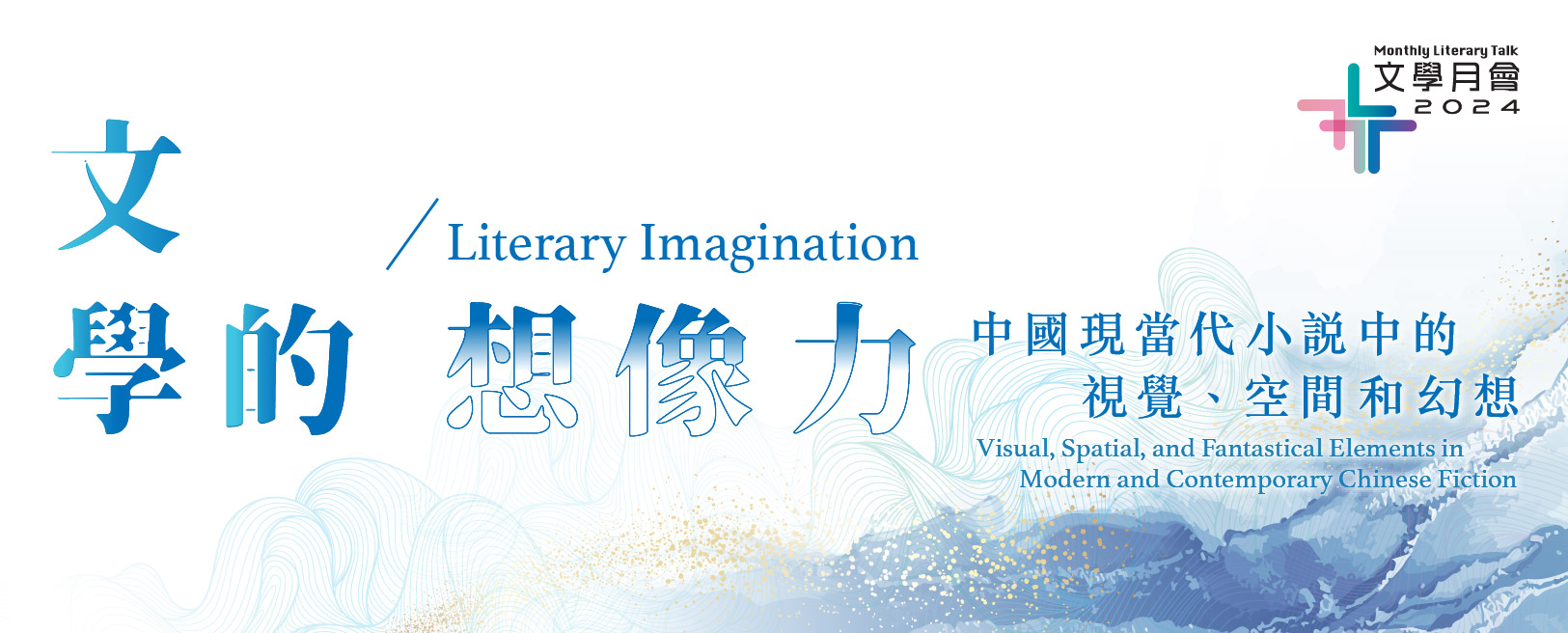
Monthly Literary Talk 2024: Literary Imagination - Visual, Spatial, and Fantastical Elements in Modern and Contemporary Chinese Fiction: (1) A Brief Discussion on the Gender and Visual Aspects of Eileen Chang's "Aloeswood Incense: The First Brazier" and "Red Rose, White Rose"; (2) The Heterotopia Beyond Dongbei: The Writings of Space in Stories of Banyu
| Date & Time: | 13 April 2024 (Saturday) 2:30 p.m. - 4:30 p.m. |
| Venue: | Hong Kong Central Library (Lecture Theatre, G/F) |
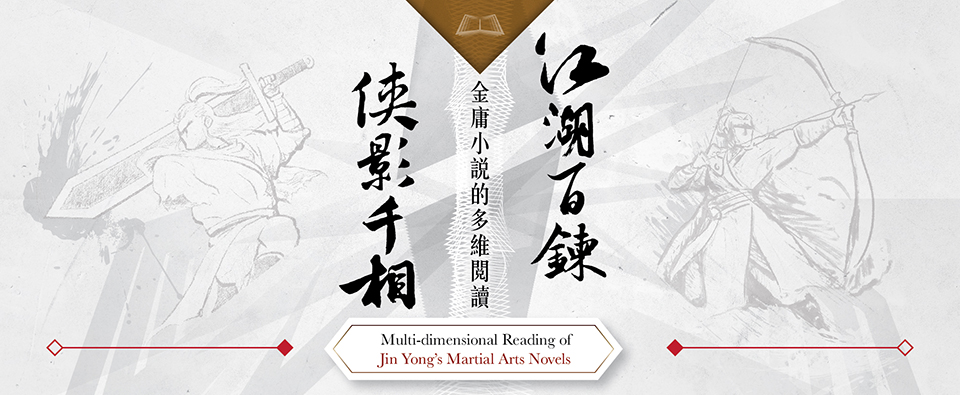
"Multi-dimensional Reading of Jin Yong's Martial Arts Novels" Subject Talk
Other Talks / Workshops /Hong Kong Pop Culture Festival 2024 Library Tie-in Activities /Activities in the Chinese Culture Promotion Series
| Date: | 2024/7/5 (Friday) |
| Time: | 7:00 p.m. to 8:30 p.m. |
| Venue: | Hong Kong Central Library (Lecture Theatre, G/F, Hong Kong Central Library) |
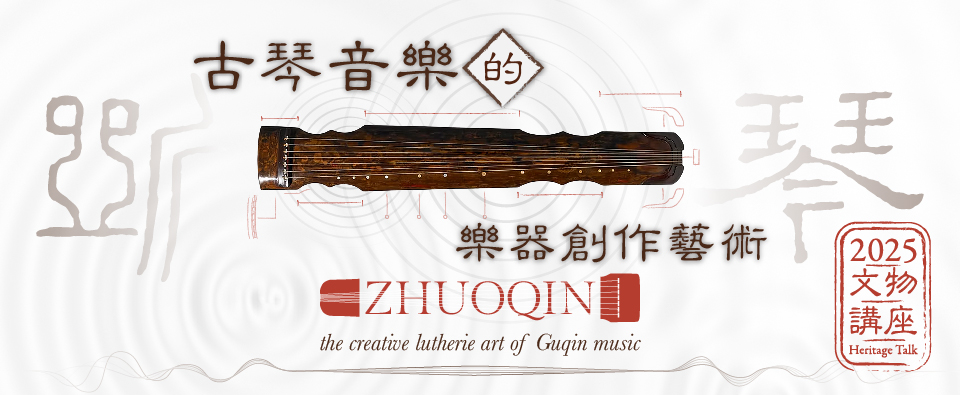
Zhuoqin : the creative lutherie art of Guqin music
| Date: | 2025/6/29 (Sunday) |
| Time: | 3:00 p.m. to 5:00 p.m. |
| Venue: | Hong Kong Central Library (Lecture Theatre, G/F, Hong Kong Central Library) |
| Description: | The Qin, also known as the Guqin, is a Chinese musical instrument with over two thousand years of history. The art of Qin making, called zhuoqin, is an 1800-year-old contemporary art enjoyed by Qin players, virtually unchanged since the Wei and Jin Dynasties. During the second half of the 20th century, the art of zhuoqin was on the verge of extinction. Luckily, one line survived and flourished in Hong Kong. In 2014, Hong Kong’s art of zhuoqin was enlisted as an Intangible Cultural Heritage of China at the National Level. In this talk, the apprentices of Choi Chang Sau (also known as Lau Chang Sau, Representative Inheritor of Intangible Cultural Heritage of China at the National Level) will introduce the history of zhuoqin as a creative art form and the emergence of zhuoqin as a musicians’ art culture in Hong Kong. |
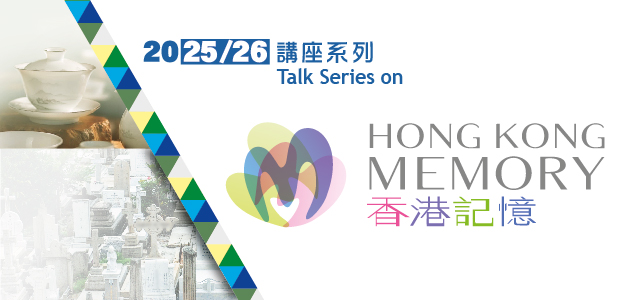
Stories Behind Epitaph of Aberdeen Chinese Permanent Cemetery
Other Talks / Workshops /Subject Talk Series on Hong Kong Memory (2025/26) /Activities in the Chinese Culture Promotion Series
| Date: | 2025/12/7 (Sunday) |
| Time: | 2:00 p.m. to 4:00 p.m. |
| Venue: | Lockhart Road Public Library (Extension Activities Room) |
| Description: | Built by a group of Chinese leading figures on land granted by the Government in 1913, the Aberdeen Chinese Permanent Cemetery opened two years later and became the first permanent and non-religious Chinese cemetery in Hong Kong. Quite a number of famous Hong Kong people in the early days were buried here, including former president of Peking University Cai Yuanpei, eminent philanthropist Fung Ping Shan and renowned calligrapher Feng Shihan. For those who were buried here at that time, their headstones would usually be engraved with epitaphs written by reputable scholars, detailing their life stories and giving the epitaphs another level of meaning. This talk will explore the stories behind the epitaphs and discuss the historical landscape of Hong Kong in depth. |
 Previous