




All Events
- Highlighted Programmes
- All Events
- Hong Kong Reading Week
- Events at Hong Kong Central Library
- Summer Library Festival
- Reading Activities
- Literary Activities
- Awards / Competitions
- Talks / Workshops
- IT Activities
- Storytelling for Children
- Exhibitions
-
Hot Topics
- Storytelling for Children (Cantonese)
- Storytelling for Children
- Activities in the Chinese Culture Promotion Series
- Storytelling for Children (Cantonese)
- Talk on Chinese Classics
- Other Exhibitions
- Storytelling for Children (English)
- 4.23 World Book Day
- Other Literary Activities
- Chinese Poetry Writing Competition Exhibition
Key words Search–Talk on Chinese Classics: Chinese Garden Culture
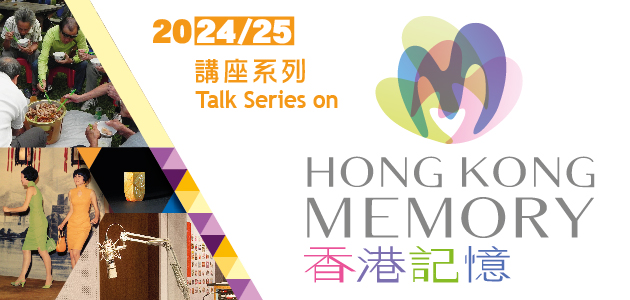
Talking about the Sek Pun
Other Talks / Workshops /Local History and Culture /Subject Talk Series on Hong Kong Memory (2024/25) /Activities in the Chinese Culture Promotion Series /Guangdong-Hong Kong-Macao Greater Bay Area Culture and Arts Festival Library Tie-in Activities
| Date: | 2024/7/21 (Sunday) |
| Time: | 2:00 p.m. to 4:00 p.m. |
| Venue: | Fanling Public Library (Extension Activities Room) |
| Description: | Sek pun, or commonly known as “basin feast”, is a mixed stew dish that features a variety of savory food served in a round basin. Sek pun has been a traditional activity among local clans, with a history of over 400 years, dating back to as early as the mid- to late Ming dynasty when the clans were formed. Basin feasts are held on joyous or festive occasions. As a symbol of unity, clansmen will gather together at the table to eat at a basin feast, where they maintain social bonding and develop senses of belonging and identity to the community. This talk will delve into the story behind this delightful culinary tradition. |
Subject Talk Series on “Interesting Lingnan Food Culture in Our Daily Lives”: Treasures in Chinese Soup
| Date: | 2024/10/6 (Sunday) |
| Time: | 2:30 p.m. to 4:00 p.m. |
| Venue: | Tiu Keng Leng Public Library |

The Journey of becoming a DJ
Other Talks / Workshops /Local History and Culture /Subject Talk Series on Hong Kong Memory (2024/25) /Activities in the Chinese Culture Promotion Series /Guangdong-Hong Kong-Macao Greater Bay Area Culture and Arts Festival Library Tie-in Activities
| Date: | 2024/12/7 (Saturday) |
| Time: | 3:00 p.m. to 5:00 p.m. |
| Venue: | Sham Shui Po Public Library (Extension Activities Room) |
| Description: | What qualities are required for being a radio programme host (also known as DJ)? How can a radio programme be appealing to the audience? What strange and funny things can happen during a live broadcast? How does one come up with an endless number of topics every day? Many of us would definitely like to know the answers to questions like these. In this talk, a veteran radio programme host will guide you to the broadcasting studio, unveiling its mysteries and sharing the unforgettable memories that are held within this tiny little room. |
Seal Carving - the Art of Sigillography in Hong Kong
Other Talks / Workshops /Local History and Culture /Subject Talk Series on Hong Kong Memory (2024/25) /Activities in the Chinese Culture Promotion Series /Guangdong-Hong Kong-Macao Greater Bay Area Culture and Arts Festival Library Tie-in Activities
| Date: | 2024/9/14 (Saturday) |
| Time: | 3:00 p.m. to 5:00 p.m. |
| Venue: | Hong Kong Central Library (Lecture Theatre, G/F) |
| Description: | Starting from the early 20th century, a number of seal carvers moved to Hong Kong or began making frequent trips between Guangdong and Hong Kong for various reasons. A seal carving community gradually established in the territory as a result, laying a crucial foundation for the development of seal carving in Hong Kong. In fact, despite its small size, Hong Kong has played a major role in the history of Lingnan seal carving. By giving a comprehensive account of the art of seal carving in Hong Kong, including its origin and history, the seal art education and the study of sigillography, this talk will let us have a better understanding of the seal carving landscape in Hong Kong. |
Recollections of Nanyin and Yue'ou in Hong Kong
Other Talks / Workshops /Local History and Culture /Activities in the Chinese Culture Promotion Series /Talk Series on Hong Kong Memory (2026/27)
| Date: | 2026/7/19 (Sunday) |
| Time: | 2:30 p.m. to 4:30 p.m. |
| Venue: | Hong Kong Central Library (Lecture Theatre, G/F) |
| Description: | “Today, we are far apart, and meeting has become difficult; thus I drift alone under the cool evening sky on a silent boat.” These lines, from the classic Cantonese Nanyin “A Wanderer’s Autumn Grief”, are performed time and again by actors appearing in Hong Kong films. Whenever the tunes pop up, they stir a collective memory of Nanyin among Hong Kong people. From the movie “Rouge” more than thirty years ago to the more recent “The Last Dance”, the haunting melody of Nanyin seems like a secret code that always quietly plays on the heartstrings of the Cantonese community. This enduring resonance is no coincidence, probably because Nanyin has been performed by gushi (blind male singers) and Cantonese opera singers in Hong Kong for generations. In contrast, another form of narrative singing Yue’ou, which was presented in the Cantonese vernacular by shiniang (blind female artists) in Hong Kong half a century ago, has been almost completely forgotten. Both Nanyin and Yue’ou belong to the same tradition of narrative song art, with the former being remembered while the latter slipping into oblivion. Remembrance and forgetting are two sides of the same coin. When we speak of “Hong Kong memories”, one may ask, “What exactly have we forgotten?” |
Subject Talk Series on the Glorious Era of Han and Tang Dynasties: Literati Culture and Development of the Chinese Imperial Examination System
Activities in the Chinese Culture Promotion Series /Chinese Culture Festival 2026 Library Tie-in Activities
| Date: | 2026/6/14 (Sunday) |
| Time: | 1:30 p.m. to 3:00 p.m. |
| Venue: | Sha Tin Public Library (Extension Activities Room) |
Subject Talk Series on “Interesting Lingnan Food Culture in Our Daily Lives”: Chinese Tea with Dim Sum in Yum Cha Tradition
| Date: | 2024/10/13 (Sunday) |
| Time: | 2:30 p.m. to 4:00 p.m. |
| Venue: | Sai Kung Public Library |
Hong Kong’s Architectural Heritage: Historical Significance and Contemporary Challenges
| Date: | 2026/10/3 (Saturday) |
| Time: | 3:00 p.m. to 5:00 p.m. |
| Venue: | Hong Kong Central Library (Lecture Theatre, G/F) |
| Description: | Hong Kong’s architectural culture blends traditional Chinese elements with Western modern styles, presenting a distinctive “East-meets-West” character. By reviewing the evolution of Hong Kong architecture, we will examine how these changes reflect Hong Kong people’s living habits and needs. It will analyse the impact of urban transformation on architectural demand and discuss strategies for effectively conserving characteristic buildings in a rapidly urbanising environment to safeguard Hong Kong’s collective memory and historical value. |
II. Tang Dynasty Fantasy Tales
| Date: | 2026/9/13 (Sunday) |
| Time: | 3:00 p.m. to 4:30 p.m. |
| Venue: | Tai Po Public Library (Extension Activities Room) |
| Description: | Conducted in Cantonese. Free and limited admission by reservation. Reservation through telephone or in person starts from 30.8.2026 (Sunday), on a first-come-first-served basis. |
I. Stories of Guiyi-jun
| Date: | 2026/9/6 (Sunday) |
| Time: | 3:00 p.m. to 4:30 p.m. |
| Venue: | Tai Po Public Library (Extension Activities Room) |
| Description: | Conducted in Cantonese. Free and limited admission by reservation. Reservation through telephone or in person starts from 23.8.2026 (Sunday), on a first-come-first-served basis. |
 Previous